How to Hire Remote Employees: A Step-by-Step Process
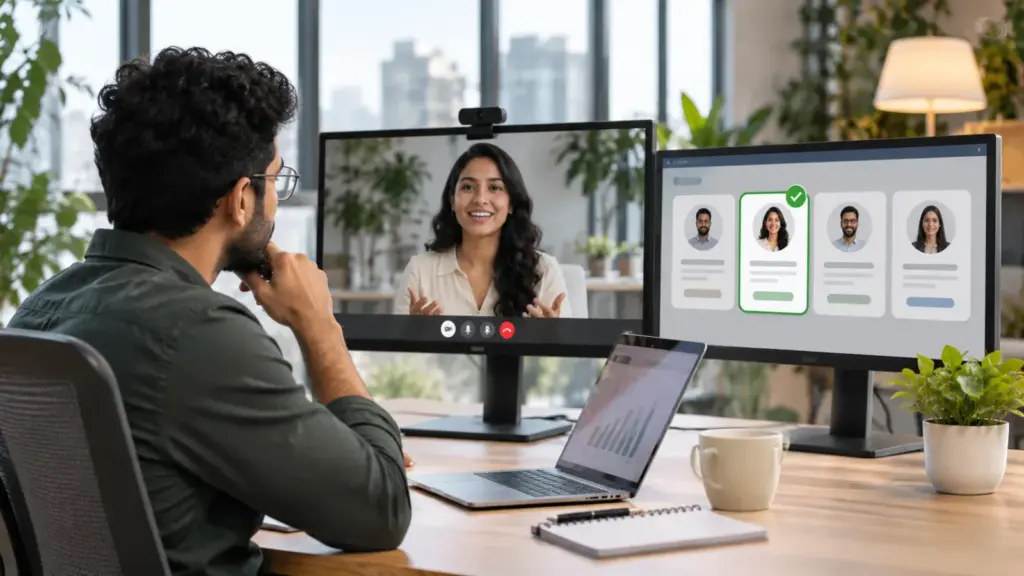
To hire remote employees, define the role and where it can legally be done, source from remote-first channels, test candidates with paid or short work samples, check compliance in the employee's state, then onboard on a written 90-day plan. The steps are close to in-office hiring. The difference is that location, written communication and trust get tested earlier.
Define the Role and Where It Can Be Done
A remote role definition states the outcomes, the pay range, the hours that must overlap with your team, and the locations where you can employ someone. Location is the part managers skip, and it creates most of the later problems.
Answer these before you write the post:
- Which states or countries can you hire in today?
- Is the role remote, hybrid or work from anywhere?
- How many hours must overlap with your team's time zone?
- What will this person have finished by day 90?
- What is the pay range?
Write outcomes, not task lists. "Own the monthly close and deliver it by business day 5" tells a candidate more than "responsible for accounting."
Publish the pay range. Several states and cities require it in job postings, and candidates skip posts without it. Check the pay transparency rules in each state and city where you hire.
If you haven't set rules for equipment, hours and expenses, draft them first. Our remote work policy guide with a template covers that.
Source Candidates Where Remote Workers Look
The best sourcing channel depends on the role. Remote roles draw far larger applicant pools than local ones, so a channel that filters well matters more than one that reaches the most people.
- Specialist remote job boards attract people who already want remote work. RemoteSalt lists remote and hybrid roles from screened employers, and employers can post for free.
- Referrals work best for senior and hard-to-fill roles.
- Professional networks and communities suit niche skills such as security or data engineering.
- General boards reach the widest pool, with the most screening work.
Decision rule: for a junior or high-volume role, use a remote board and a short application screen. For a senior role, start with referrals and direct outreach, and post as a backup.
State location limits in the post itself. It saves both sides from wasted applications.
Screen With a Work Sample, Not Just a Resume
A work sample is a short task that mirrors the real job, and it predicts remote performance better than a resume because remote work is judged on output. Keep it to 60 to 90 minutes, and pay for anything longer.
Examples by role:
- Customer support: reply to three realistic tickets, one of them an angry customer.
- Developer: review a small pull request and explain what you'd change.
- Marketer: outline a campaign brief for a real product constraint.
Score every sample against the same 3 to 5 criteria, written before you read the first one. That keeps you honest and reduces bias.
Also watch the writing. In a remote job, clear written updates are part of the work. A candidate who replies promptly and precisely during hiring is showing you what working together looks like.
Run a Structured Remote Interview
A structured interview asks every finalist the same questions in the same order and scores them on one rubric. It beats free conversation because it compares candidates on the same evidence.
Questions worth asking a remote candidate:
- "Walk me through how you plan a week when nobody is checking in."
- "Tell me about a project that stalled. How did you raise it?"
- "How do you handle a disagreement in writing versus on a call?"
- "What does your workspace and connection backup look like?"
Test the setup too. Hold the interview by video, and note audio, lighting and tool comfort. You aren't judging the bookshelf. You're checking that this person can join your meetings reliably.
For sales roles, our guide to hiring a remote sales team adds role-specific tests.
Check Hiring Compliance Before the Offer
Hiring a remote employee means following the rules of the place where that person works, not only where your company sits. That covers payroll tax, wage and hour laws, work authorization and employee classification.
Check these four areas:
- Employee or contractor. The US Department of Labor publishes guidance on classifying workers. Calling an employee a contractor to save cost creates legal risk.
- State registration and payroll tax. Your first employee in a new state usually means registering for state withholding and unemployment insurance. Check the requirements with each state's tax and labor agencies.
- Work authorization. Employers complete Form I-9 for every new hire. USCIS explains how remote verification works, so check its current guidance on remote document examination.
- Wage, leave and expense rules. Minimum wage, overtime, sick leave and expense reimbursement differ by state.
If you hire in a country outside the US, the picture changes again, and an employer of record service or local counsel is worth the cost.
Monitoring tools raise their own legal questions. See remote employee monitoring: what's legal before you buy any.
Make the Offer and Onboard in 90 Days
A remote offer should state the pay, the work state, the hours expected, equipment, benefits and start date in writing. A written onboarding plan then keeps the first 90 days from becoming guesswork.
New remote hires can't absorb norms by watching the room, so you have to write them down.
- Before day 1: ship equipment, set up accounts, and tell the team who is joining.
- Week 1: one clear first task, a buddy, and short daily check-ins.
- Day 30: one finished project and feedback on how they communicate.
- Day 60: working with little supervision, and a review of what's blocking them.
- Day 90: a formal review and goals for the next quarter.
Training matters here too. Our article on employee training for remote teams shows formats that hold up.
Post Your First Remote Role This Week
Remote hiring works when the process is written down before the first candidate applies. This week, draft the role outcomes, the pay range and the list of states you can hire in. That single page drives every later step.
When it's ready, you can hire remote talent through RemoteSalt. Posting is free for employers, and the listing shows candidates the locations the role is open to. Screening reduces risk but never removes it, so keep your own work sample and interview in place.
Looking for a remote job?
Search screened remote jobs and filter by the state you live in.
Keep reading

Remote Work Tips for Design Teams: What Actually Keeps Creative Work Moving
A few years ago, “remote design team” mostly meant a handful of freelancers pinging each other on Slack.…

Talent Sourcing Strategies for Remote Teams – Getting There Before the Job Posting Does
By the time a job posting goes live, the companies that are actually winning the best remote candidates…

Why Companies Hire Remote Development Teams in 2026 (It’s Not Just About Cost)
Most growing companies don’t actually need twenty in-house engineers. They need the right engineers, working on the right…